You are here:News>Spring Time coming: How your body stays in rhythm
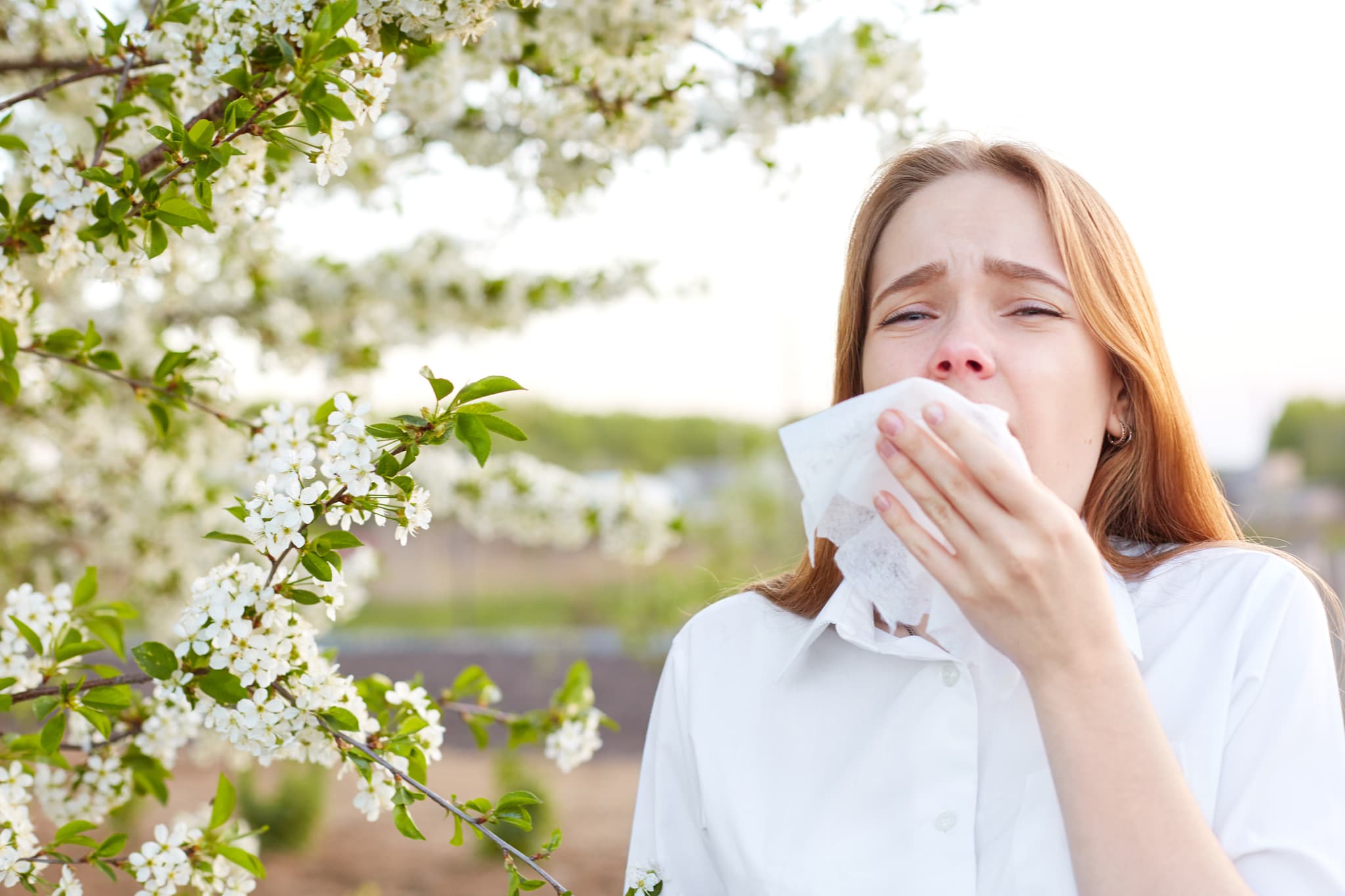
Who does not look forward to spring? For many, however, it means not only sunshine and warmth, but also itchy eyes, sneezing and fatigue. Around 20% of the population in Switzerland is affected. This makes pollen allergy the most common allergic disease in Switzerland.
On the occasion of National Allergy Day (21 March) and World Asthma Day (05 May) 2026, we are putting a stronger focus on this topic. Untreated pollen allergy can increase the long term risk of developing allergic asthma. Therefore, have your symptoms checked early.
For National Allergy Day, the Swiss Allergy Centre "aha!" offers webinars, live sessions and further information on pollen allergy. Take a look now and get informed.
What is hay fever?
Hay fever is an allergy to pollen from trees, grasses or herbs. The immune system reacts excessively to substances that are actually harmless.
Typical symptoms are:
frequent sneezing
runny or blocked nose
itchy or watery eyes
fatigue and difficulty concentrating
Many people mainly experience symptoms in spring, when there is a high level of pollen in the air. Are you currently experiencing similar symptoms? Find suitable medication with the Medi-Finder.
What helps with hay fever?
There are various ways to reduce symptoms:
avoid pollen exposure in everyday life as much as possible
ventilate regularly when pollen levels are low
wash your hair or change clothes after being outside
use medication to relieve allergy symptoms
seek medical advice in case of severe symptoms
If you are unsure what is behind your symptoms, the Smart Assistant helps you with an initial assessment.
Why early action is important
Untreated pollen allergy can increase the long term risk of developing allergic asthma.
Unsure about your symptoms? An allergy check at a pharmacy can provide clarity.
Source: aha! Swiss Allergy Centre